From the music stand to the podium: Former members who are now taking the baton

20 Jun 2026,
Media/Gonzalo Hidalgo.jpg

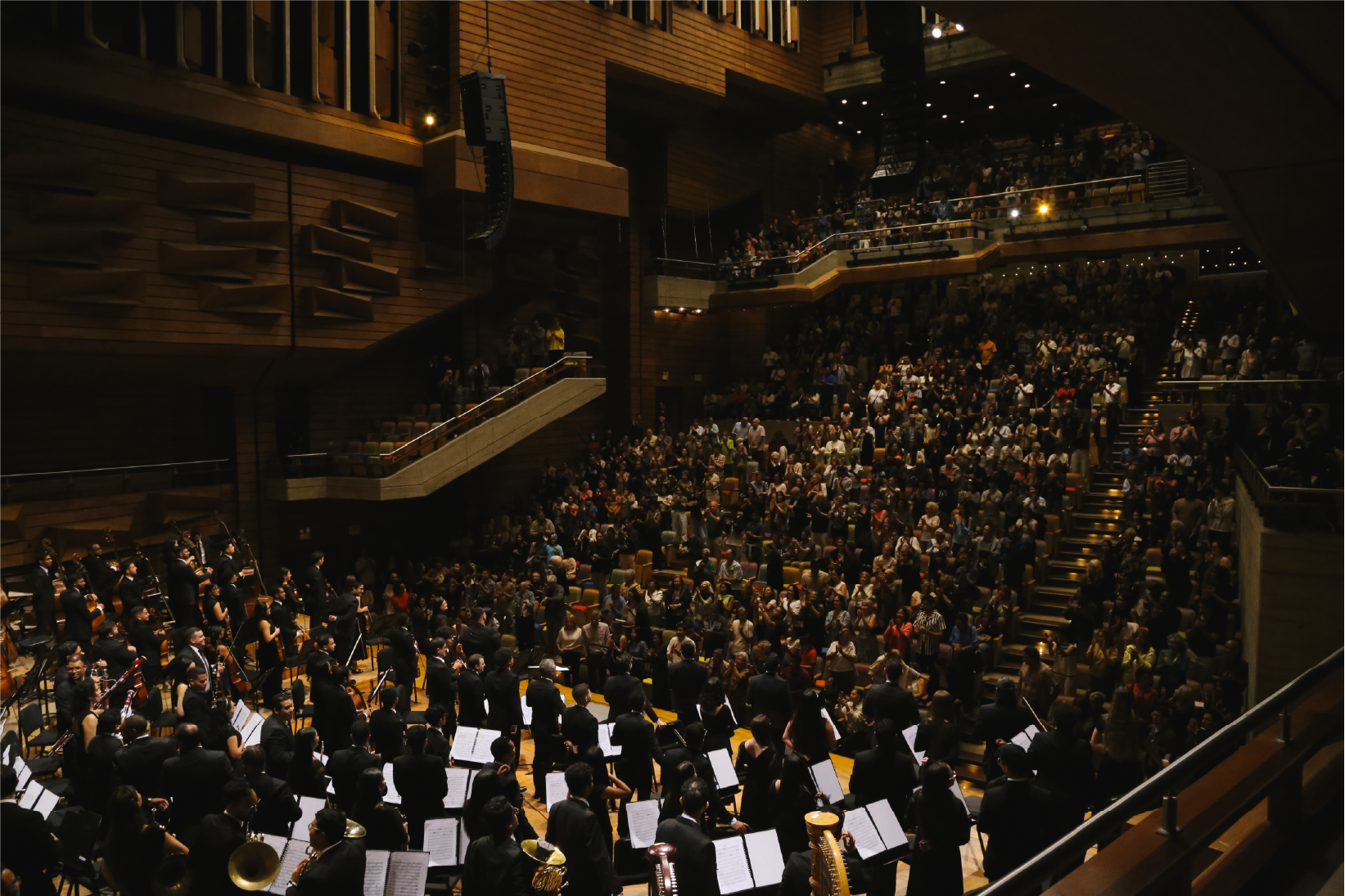
The history of the Simón Bolívar Symphony Orchestra of Venezuela is built upon thousands of dreams. Dreams of children and young people who found in music an opportunity for growth, training, and transformation. For some of them, that path began by occupying a chair within the orchestra itself and, years later, led them to return to the stage from a new position: that of conductor.


During the 2025-2026 season of El Sistema, Venezuelan musicians such as Andrés David Ascanio, Gonzalo Hidalgo, Christian Vásquez, Jesús Uzcátegui and Rodolfo Barráez assumed the challenge of conducting the ensemble that contributed to their artistic training. Their stories reflect one of the fundamental principles promoted by Maestro José Antonio Abreu: the formation of leaders capable of transforming the experience acquired within the orchestra into a new form of service and musical leadership.


Beyond the podium, their journey represents the continuity of a legacy that bets on the permanent growth of its musicians and demonstrates how artistic excellence is strengthened generation after generation within El Sistema.


Gonzalo Hidalgo: the natural evolution of musical leadership


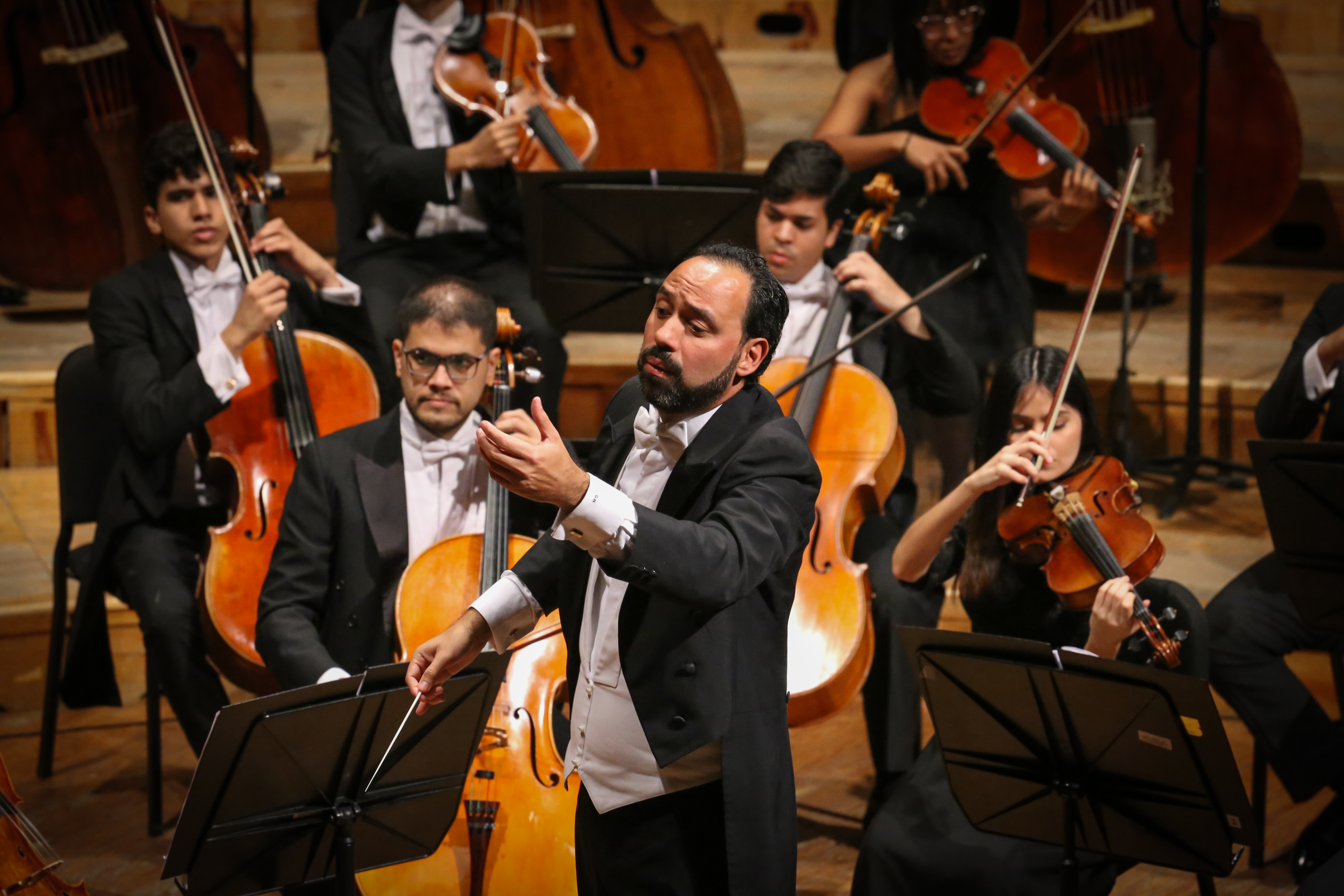
Gonzalo Hidalgo's journey is also part of this history of growth and artistic evolution. After having been a member of the Simón Bolívar Symphony Orchestra of Venezuela, he returned to the ensemble as a conductor during the season to lead a program composed of the Symphony No. 38 "Prague" by Mozart and the Symphonie fantastique by Hector Berlioz.


His presence at the head of the orchestra reflects how the experience acquired as a musician can become an invaluable tool for leading complex artistic processes, always maintaining a deep knowledge of the ensemble's sonic identity. Hidalgo himself highlighted the special meaning of assuming this responsibility by stating that: “Conducting the orchestra is a privilege. This podium, being in front for any conductor in the world, is a privilege,” after performing at the first concert of the 2026 season.


Christian Vásquez: a career that inspires new generations


To speak of Venezuelan musicians who have traveled the path from the orchestra to conducting implies mentioning Christian Vásquez, one of the most recognized figures to emerge from El Sistema in the field of orchestral conducting.


During this season, he returned to the podium of the Simón Bolívar Symphony to conduct the production of The Marriage of Figaro, one of the most emblematic operas by Wolfgang Amadeus Mozart. His international career and his constant link with Venezuelan ensembles represent an example of the reach that the training promoted by Maestro Abreu can have and the commitment to maintain a permanent relationship with the institutions that marked his beginnings.


The production also had a deeply personal meaning for the Venezuelan conductor. “When I started classes with Maestro Abreu in 2006, I told him that in the future I would like to do opera and I asked him which opera he recommended, and he said: The Marriage of Figaro, and almost 20 years later I am going to do it, and what better moment than in the 50th anniversary of El Sistema,” recalled Vásquez, evidencing how this project also represents the materialization of a dream that began during his training alongside the founder of El Sistema.


Andrés David Ascanio: from musician to conductor of the orchestra that trained him


The season featured the participation of Andrés David Ascanio in different symphonic programs, among them concerts dedicated to the music of Jean Sibelius and a program that included works by Giancarlo Castro D'Addona, Matías Azpúrua, and Pyotr Ilyich Tchaikovsky.


Trained within El Sistema and in the ranks of the Simón Bolívar Symphony itself as a trumpet player, Ascanio represents a generation of musicians who found in the institution a space to develop artistically and professionally. His presence as a conductor reaffirms the organization's capacity to train talents who subsequently assume musical leadership responsibilities at the highest level.


In addition to his programs dedicated to Sibelius and Tchaikovsky, Ascanio will have his multiple interventions of the season on Saturday, July 25, and Sunday, July 26, 2026, with a massive concert paying tribute to the soundtracks of the celebrated composer John Williams. Under his baton, the orchestra performed iconic pieces from sagas such as Star Wars, Harry Potter, E.T., Jurassic Park, and Schindler's List. This event not only demonstrated the technical versatility of the ensemble to approach film music at the highest level, but it also reaffirmed Ascanio's ability to connect massively with new audiences through a universal musical language.


Jesús Uzcátegui: versatility in the face of great symphonic challenges


The course of the season added an important milestone on Saturday, April 18, 2026, with the performance of Jesús Uzcátegui in the Simón Bolívar Hall. Demonstrating the artistic maturity and technical versatility that characterize this rising generation, Uzcátegui led a highly demanding program that combined the classicism of the Cello Concerto by Joseph Haydn —alongside soloist Ricardo Corniel— with the monumentality and profound historical drama of Symphony No. 11 by Dmitri Shostakovich. His conducting reaffirmed the vigor and capacity of the institution's conductors to address complex musical discourses of different eras with solidity.


Rodolfo Barráez: rigor and maturity on the podium


On Saturday, May 2, 2026, the orchestra received Rodolfo Barráez on the podium, another of the figures trained at the institution who stands out for his technical projection. On this occasion, Barráez assumed the conducting of a demanding repertoire centered on the Germanic tradition and Latin American nationalism, performing the Egmont Overture and Symphony No. 3 (the "Eroica") by Ludwig van Beethoven, in addition to the complex Variaciones Concertantes, Op. 23 by Alberto Ginastera. His participation evidenced a precise balance between interpretive rigor and a deep connection with the sonority of the orchestra of which he was a part.

MORE NEWS

LIVE - 17/04/2026
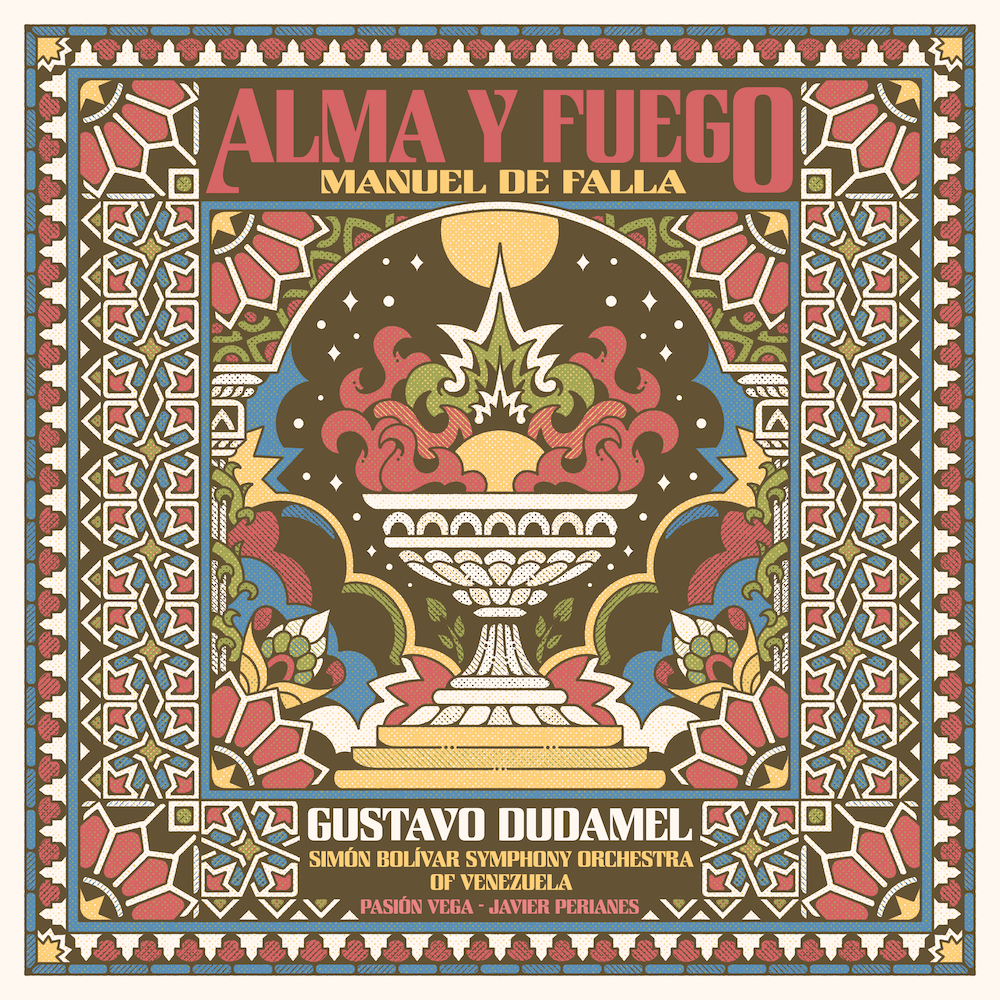
“Alma y Fuego”: Gustavo Dudamel and the Simón Bolívar Symphony Orchestra to Debut New Album in June

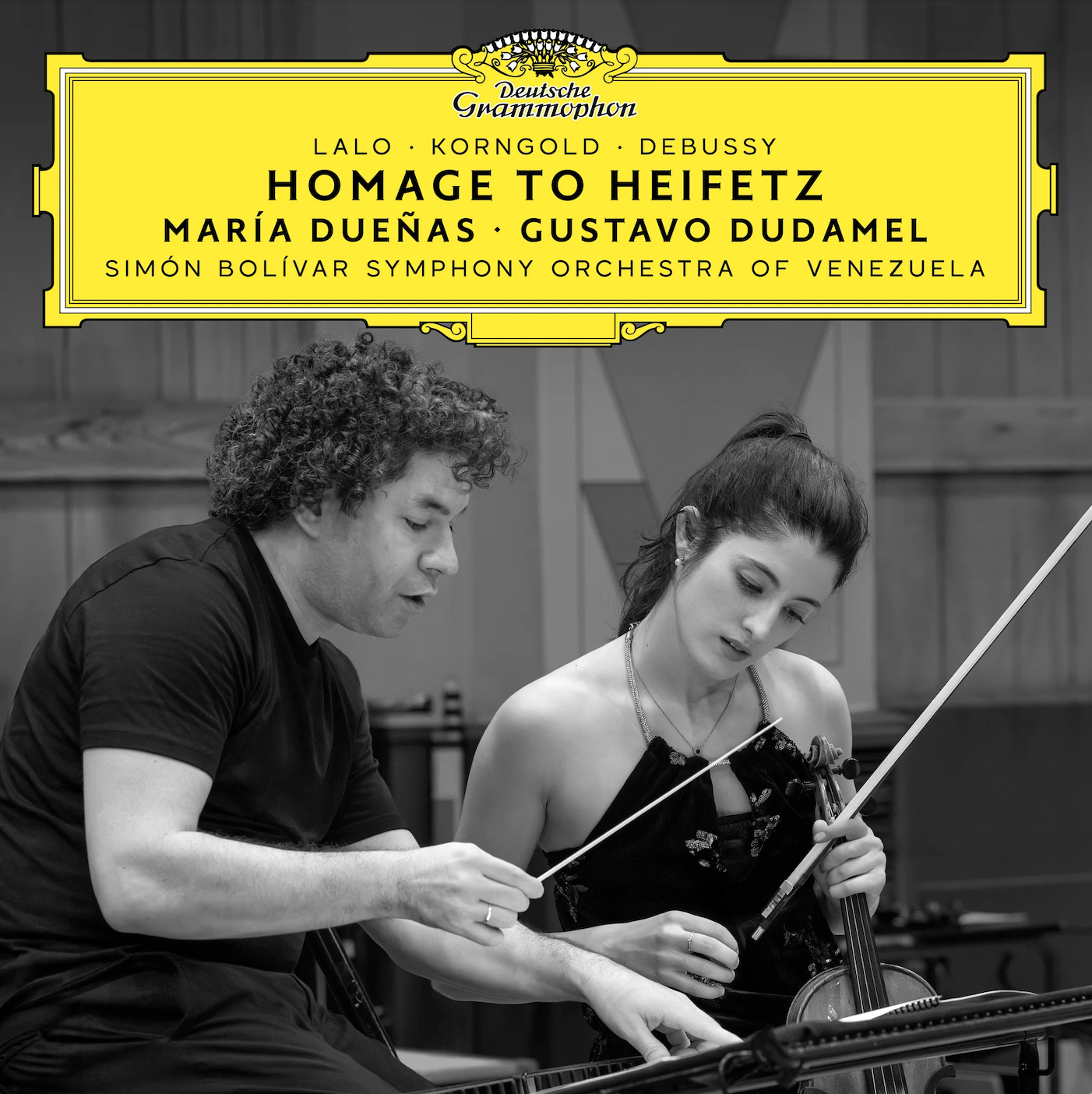
The Simón Bolívar Symphony Orchestra of Venezuela, under the baton of Maestro Gustavo Dudamel, is proud to announce the release of its latest recording, Homage to Heifetz, featuring the acclaimed Spanish violinist María Dueñas. This landmark album was recorded under the legendary Deutsche Grammophon label, one of the world's most prestigious bastions of classical music.

DISCOVER MORE
“Alma y Fuego”: Gustavo Dudamel and the Simón Bolívar Symphony Orchestra to Debut New Album in June
LIVE - 01/06/2026
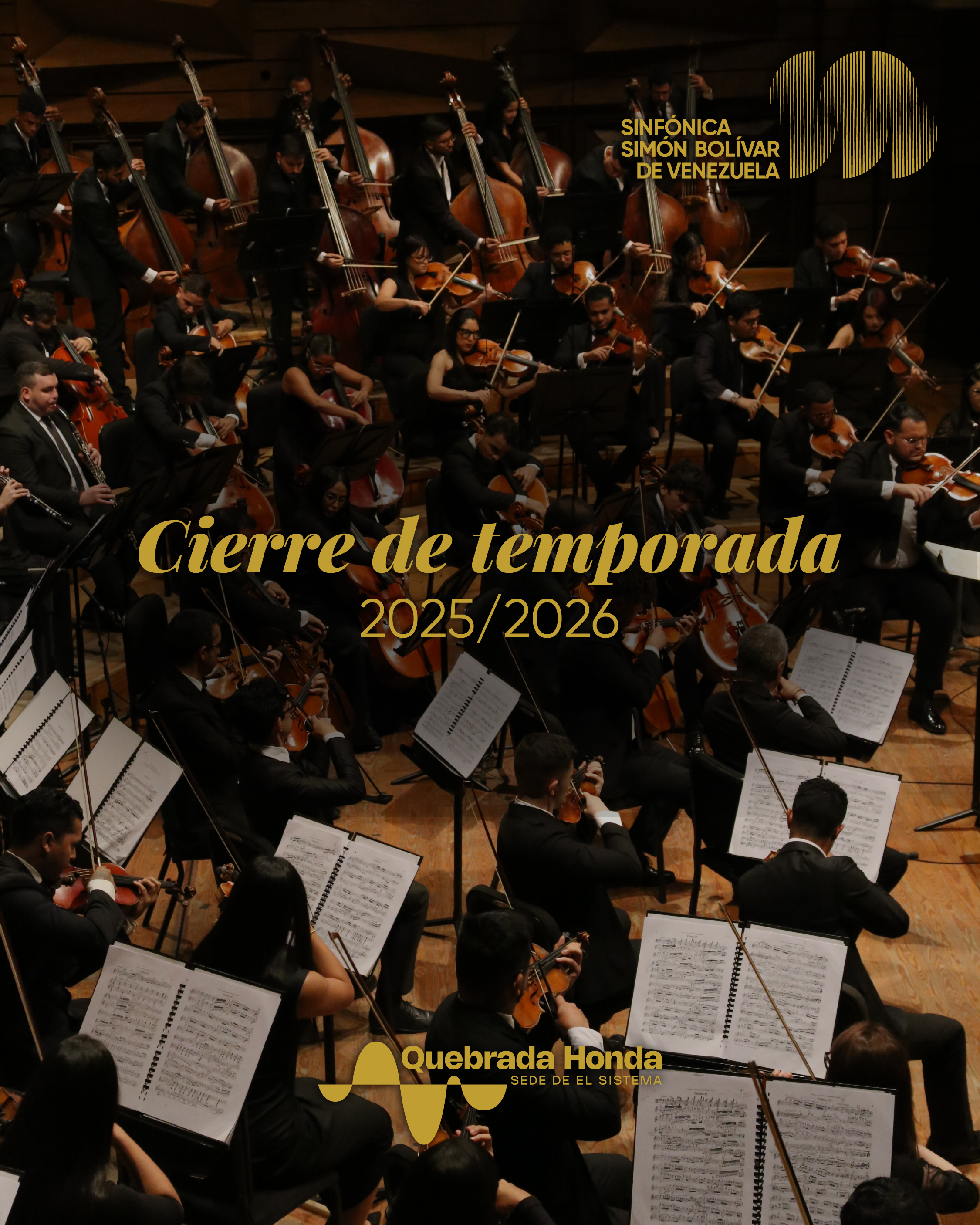
Simón Bolívar Symphony Orchestra to Close Season with Six Concerts and a Special Tribute to John Williams

El Sistema and the Simón Bolívar Symphony Orchestra of Venezuela are preparing to wrap up their concert season with six performances. Held at the Simón Bolívar Hall in Quebrada Honda, these events promise intense interpretations, grand symphonic repertoires, and a special connection with the Caracas audience.

DISCOVER MORE
Simón Bolívar Symphony Orchestra to Close Season with Six Concerts and a Special Tribute to John Williams
LIVE - 10/04/2026
The Simón Bolívar Symphony Orchestra Unveils "Homage to Heifetz"

Latest recording, featuring the acclaimed Spanish violinist María Dueñas.

DISCOVER MORE
The Simón Bolívar Symphony Orchestra Unveils "Homage to Heifetz"
LIVE - 14/04/2026
The Simón Bolívar Symphony Orchestra performed Mozart and Strauss to a packed house in Quebrada Honda

Under the direction of Venezuelan maestro Joshua Dos Santos, in a presentation that combined interpretive excellence, pedagogy and a direct connection with the public.

DISCOVER MORE
The Simón Bolívar Symphony Orchestra performed Mozart and Strauss to a packed house in Quebrada Honda